Dear
World,
I
was sidelined by a few things in the last two weeks: particularly with the
horror of the mass shooting in Uvalde,
TX and the loss of 19 children and 2 teachers who died trying to protect
them. And the rise of gun violence, especially
in schools, is heartbreaking. Brave and
amazing folks—including an 11 year old survivor and family members related to
the kids who lost their lives in Uvalde testified
for gun control in the U.S. House today, and while the House passed a
wide-reaching gun control bill, it is likely to fail in the Senate. I am absolutely rageful that there are folks
that would allow political gun money to take precedence over our public safety,
especially children.
If
you’re looking for a place to protest, you can see here, for a series of gun violence protests happening across
the country on Saturday, June 11th.
These
days I’ve been waking up overwhelmed with the weight of the world, sometimes
not even wanting to roll out of bed, and maybe this is a normal human reaction
to all the !@#$ that is happening in the world right now. To feel powerless at times. Sometimes I ask: what the h3^^ are we even doing here?
When
we feel down and overwhelmed, these questions arise: what can we do, what can one person do to
make a difference in our turbulent lives?
What can we do that will matter?
Sometimes we can call ourselves to action, such as in an active protest
as mentioned prior. Other times, we can
look to lift our voices and shout out into the world, or lift other voices up
and join them in solidarity, to demand change.
Other times, maybe it is something small, a phone call to a loved
one. A moment of shared empathy or
grief.
When
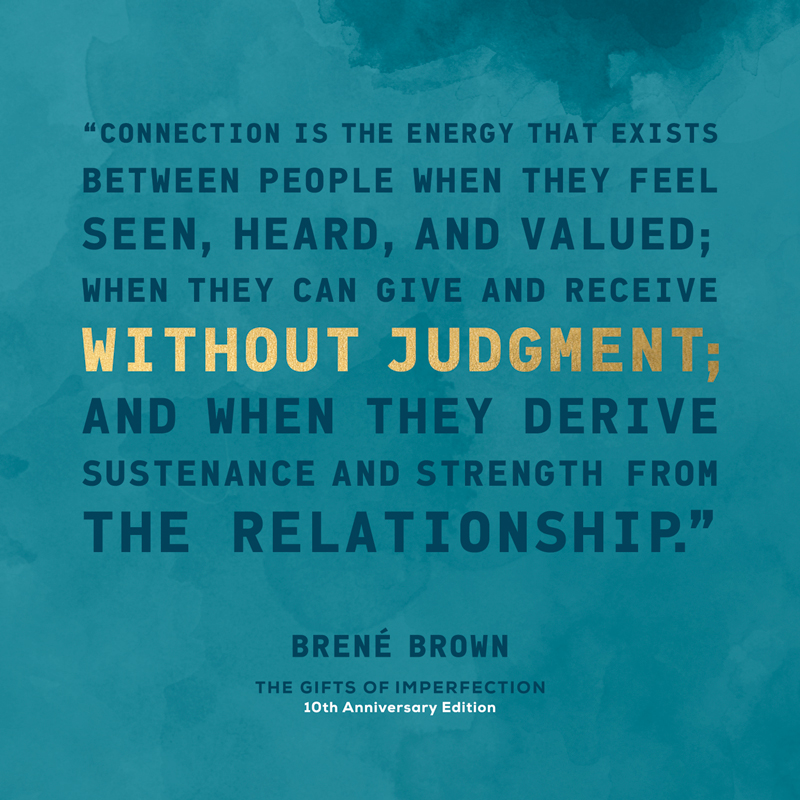
I am still, I sometimes think about Dr. Brené Brown’s work that includes meaningful
connection. She has studied the human
condition for decades and some of the highlights that resonate with me include
her work on empathy, true empathy.
Empathy is not about ‘walking in one another’s shoes,’ because our bias
prevents us from actually walking in and experiencing someone else’s
experience. Instead, true empathy is
about making space for another person for them to share their experience,
and then, most importantly, to have the capacity to believe that their story is, indeed, true. This sounds easy, but actually, it is way
harder than at first read, because our bias can get in the way. It is hard to believe someone else’s story if
in doing so means we also re-examine our own experiences and are held
accountable in any way, if their story makes us uncomfortable, or reveals truths
that we are not ready to accept. This is
why folks get so reactive on topics such as systemic racism and gender
bias. Rather than accepting diverse and difficult
experiences, they shy away out of defense and protection of ego and the status
quo. But I digress….(another post
altogether, honestly).
What
resonates for me in Dr. Brown’s work re: this particular idea about “what can
we do when we feel powerless against so much awfulness in the world?’: is back to forming meaningful connections and
that we can be careful stewards
of each others’ stories. About
how this turns the conversation away from control and agendas, but to a context
of considerate learning and inspiration.
How an act of empathy and friendship, true friendship, is an act of
love. That by supporting and uplifting
voices around us, even the smallest scale, is a miracle in it of itself. And these small miracles do have the capacity
to heal our broken world.
At least,
that is my hope. <3
Love,
Jane
Thrive